Just in case you didn’t get the pun, the tibia is the larger, weight bearing bone of the two long bones found in your leg/shank region. I really hope you enjoyed that as much as my mom did when I showed her.

As I am finishing up the remainder of my courses this Fall to earn my degree in Kinesiology Emphasis in Pre-Physical Therapy, I am finding relief that I am taking this course at what seems to be the perfect time for me. You see, I have a friend who has graduated in 2018 with a degree in Biology from SDSU and still currently works as a server in some ramen shop in Kearny Mesa. I love him, but I would rather not see myself in the same boat when that time comes for me. Luckily, this class is one that is making me prioritize setting aside time to strategize. I will be getting that piece of paper soon. Then what?
The job I will be preparing to seek for after graduation would be a Physical Therapy Technician. It is a very easy job to go after as it only asks for at least a high school diploma or GED and you are trained on the job. You are required to do 100-200 observation hours in a physical therapy setting in order to qualify for applications to the Doctorate in Physical Therapy Program (DPT). The requirement varies from each university. Although I have already completed more than enough hours, possessing such a job would allow me to further gain valuable hands-on experience as I continue to work towards my DPT.
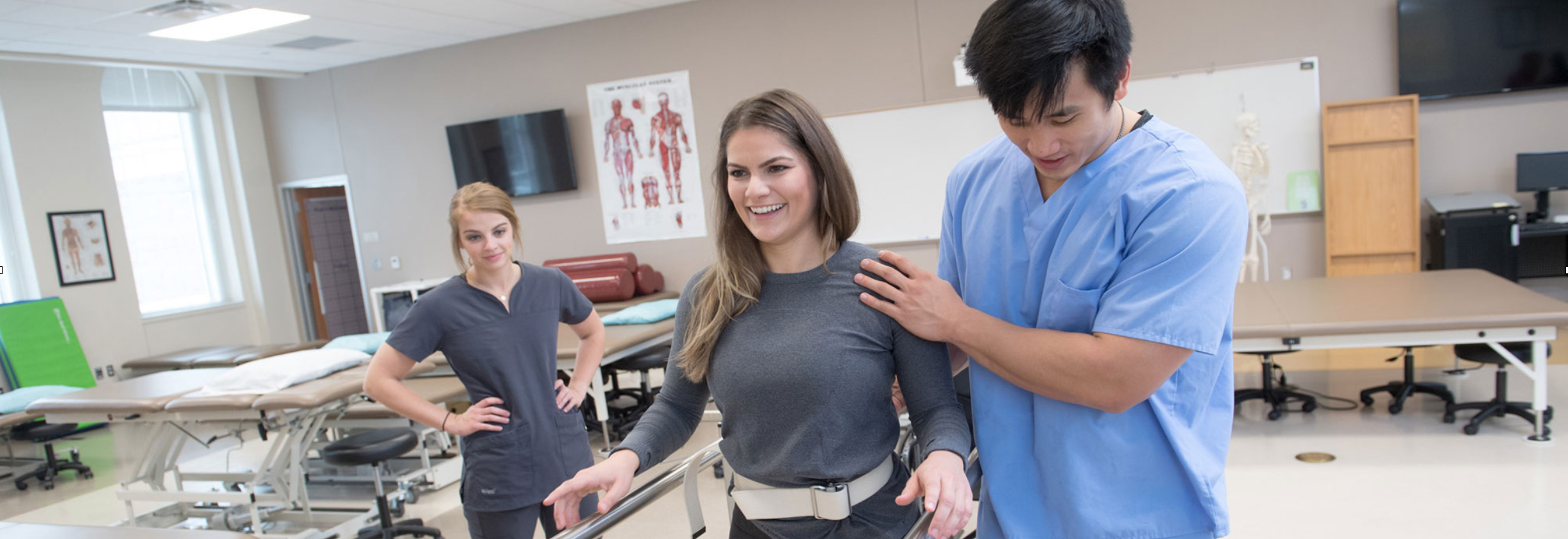
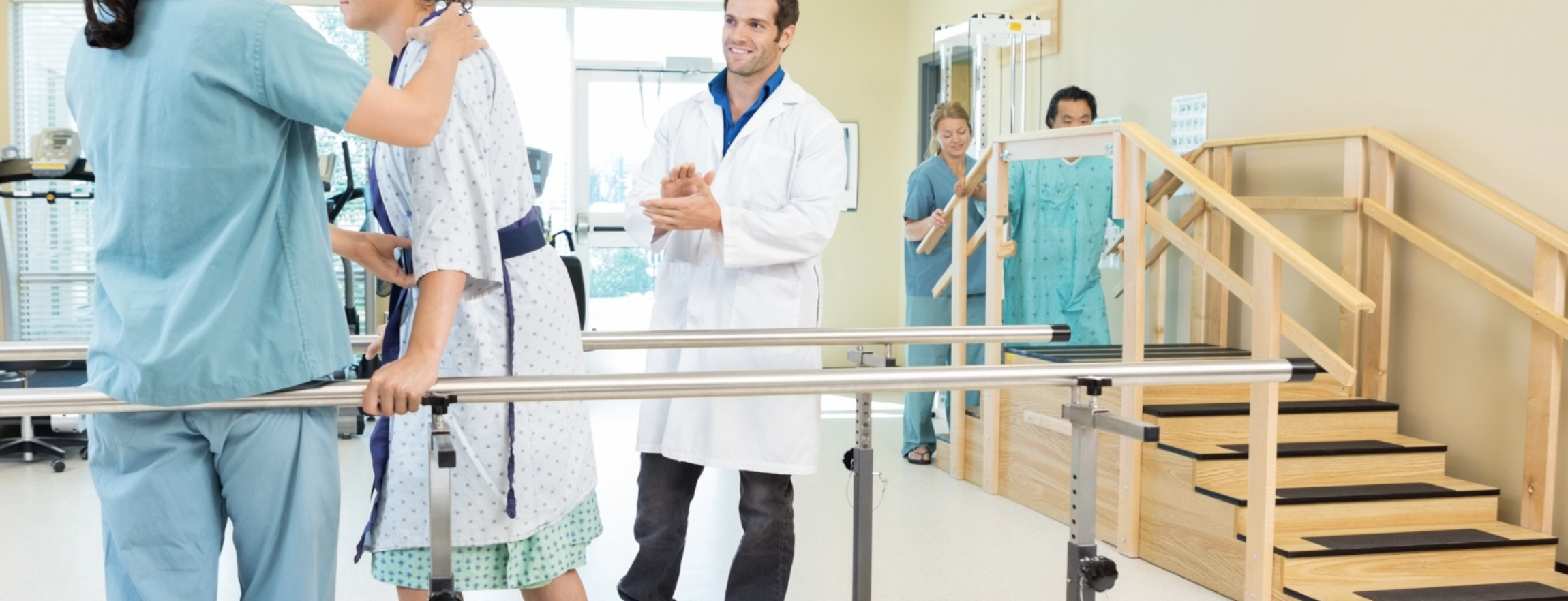
A Physical Therapy Technician, also called Physical Therapy Aide, is one who assists PT’s and PTA’s in running evaluations and treatment plans. Techs are able to mobilize patients, set up and break down equipment, maintain the cleanliness of treatment areas, and record patient progress. Typically work settings are hospitals and clinics. As misleading as that may sound, this does not actually mean that the position is confined to the category of being an inside job. It is not. There are opportunities to work outside as some variations in environment are needed in some people’s rehab plan. Being an intern at the moment in a military hospital, we had a guy who was ejected from an aircraft pretty high up there, landed in the ocean feet first, broke both legs. Months after the tragedy, he was with us in outpatient physical therapy, outside our office where we have a set up of multiple stairs and ramps of different heights and inclinations.
It is common to confuse PT technicians/aides with PT assistants. Though they may seem to have some overlap, training, schooling, responsibilities and pay all our big differences between the two.

There are a lot of facilities out there from institutions to more focused clinics. Come December I will be on a mission to look for ones specializing in spinal cord injuries or orthopedics. These can easily be found with the support of our good friend Google, by seeking out locations yourself and contacting the appropriate person, or simply by asking the PT staff who you already know. I currently work unpaid, but will be looking for a paid one once I am relieved by the burden of having homework and classes to look forward to attending. Either way, there is nothing that can take the place of the exposure and experience that I have gained so far. I have learned that this job demands for people with compassion for others. There is a lot of patients and dedication aimed for the betterment of the people you receive. Healthcare has no room for values that deviate from selflessness. With such a drive, one is able to work on keenness, optimism, attention to detail, flexibility, effective communication and everything else that a super awesome PT could possibly be.
More details on job outlook can be found on the Bureau of Labor Statistics website.












 Justine's Blog